Delivering Authenticity
Delivering Authenticity
Deliver to
Set location
Delivering Authenticity
Delivering Authenticity
Deliver to
Set location
Tap to select delivery location
GI CERTIFIED
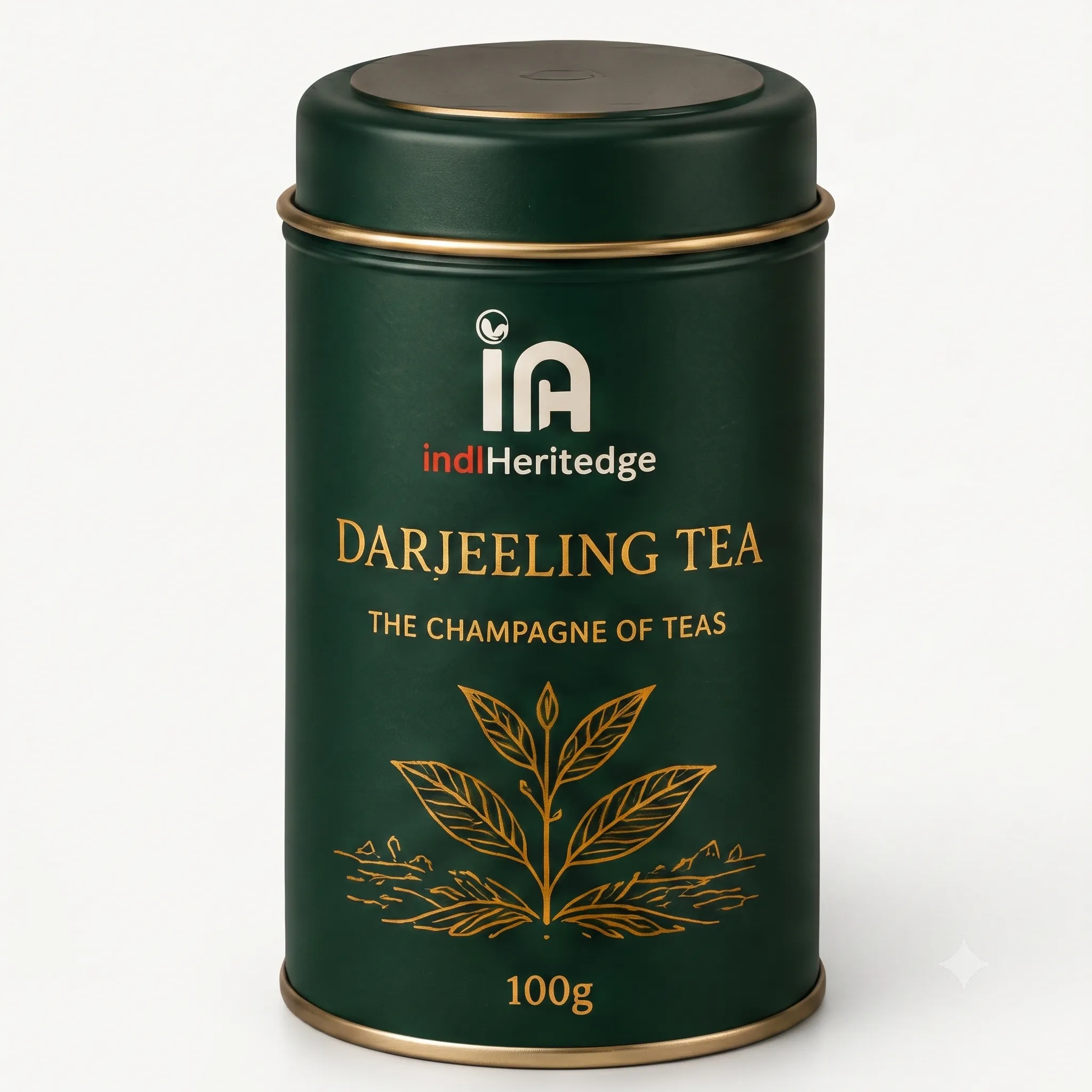
Darjeeling Tea is a globally renowned orthodox tea produced exclusively across 87 designated tea gardens in the high-altitude hills of Darjeeling district. Cultivated at elevations ranging from 610 to 2,134 metres, it is celebrated for its rare naturally occurring organoleptic profile, exquisite floral aroma, delicate liquor, and distinctive muscatel flavor.
Overview
Darjeeling Tea is an elite agricultural beverage cultivated from Camellia sinensis in the hilly terrain of West Bengal's Darjeeling district. Grown across 87 officially demarcated tea estates at steep elevations between 610 and 2,134 metres above sea level, it thrives under unique Himalayan agro-climatic conditions. The harmony of misty mountain air, intermittent sunlight, and high precipitation imparts a globally acclaimed flavor, liquor, and aroma profile.
Historical Background
Tea planting in Darjeeling was established during the mid-nineteenth century and extensively documented in colonial administrative records, including the 1947 Gazetteers of the Darjeeling District by Jules Dash. Over more than a century, Darjeeling tea evolved into an internationally benchmarked luxury beverage. To regulate standards and protect against counterfeits, statutory administration was institutionalized under the Indian Tea Act (1933/1938) and later consolidated under the Tea Act of 1953 via the Tea Board of India.
What Makes It Unique
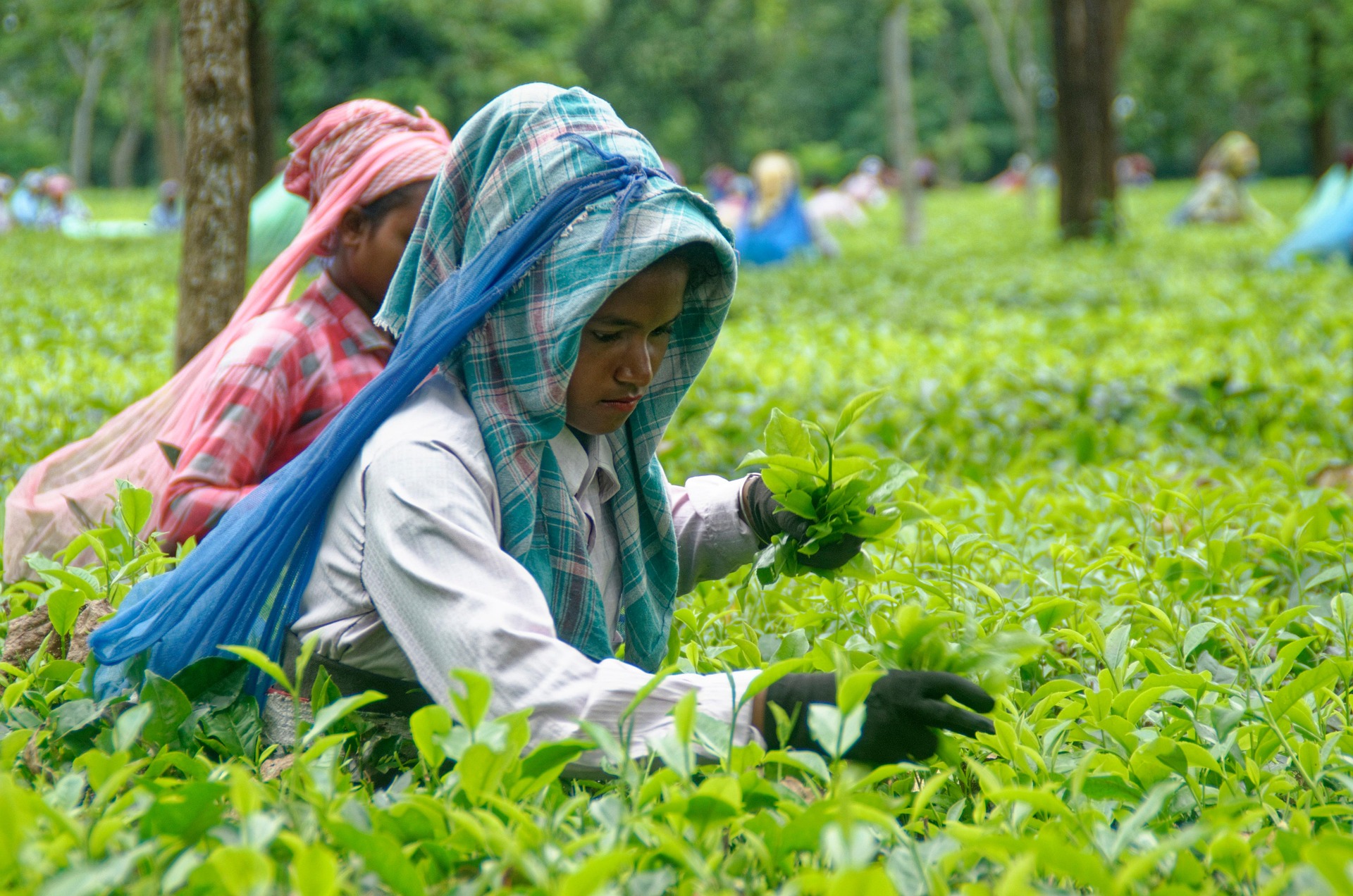
Darjeeling Tea derives its rare character from slow-growing, multi-stemmed Camellia sinensis bushes, many exceeding 100 years of economic life. Yields are notably low—a single bush yields only about 100 grams of made tea annually, requiring over 20,000 hand-plucked shoots per kilogram. The combination of genetic stock, acidic soil chemistry, steep slopes with natural drainage, high elevation, and variable cloud cover creates unmatched sensory characteristics evaluated and authenticated by an expert Panel of Tasters.
Production Process
Harvesting takes place between March and late November using careful manual plucking. The leaves are processed via traditional "Orthodox" methods: Withering: Green leaf is placed on wire mesh troughs for 14–16 hours with regulated dry airflow to remove approximately 65% of moisture. Rolling: Leaves are gently rolled under monitored pressure to rupture cells and release essential juices without overheating. Fermentation: Rolled leaves are thinly spread in ventilated rooms for 2–4 hours to undergo controlled oxidation, developing deep floral aromas. Firing / Drying: Fermented leaves are conveyed through hot dry air dryers for 20–30 minutes, reducing moisture to about 2%. Grading: Finished tea is sorted through vibrating sieves into Whole Leaf (FTGFOP), Brokens (TGBOP), and Fannings (GOF), before packaging in protective foil-lined chests.
Geographical Region
The protected geographical boundary is confined strictly to the 87 designated tea gardens located within the Darjeeling district of West Bengal (such as Makaibari, Happy Valley, Castleton, Margaret's Hope, and Chamong). These estates operate at altitudes between 610 and 2,134 metres on steep Himalayan hillsides.
Benefits & Uses
The Darjeeling tea industry serves as the socioeconomic foundation for the hill tracts of North Bengal, providing direct employment and livelihood support to tens of thousands of plantation workers and artisanal tea makers. Strict origin protection under GI law preserves international export value, boosts eco-tourism, and safeguards traditional hand-plucking and orthodox processing methods from industrial degradation.
Cultural Significance
Darjeeling Tea holds iconic status as India's very first registered Geographical Indication. The emblem—depicting a tea plucker holding tea leaves enclosed by a circle—has achieved worldwide consumer recognition. It represents generations of artisanal craftsmanship, Himalayan plantation heritage, and a globally celebrated standard of luxury tea culture.
Shop Darjeeling Tea
1 GI-certified product
Geographical Indication
Reg. 1 · Govt. of India certified